Don't waste hours Googling candidates.
Branch has information on all of your candidates, in one place.
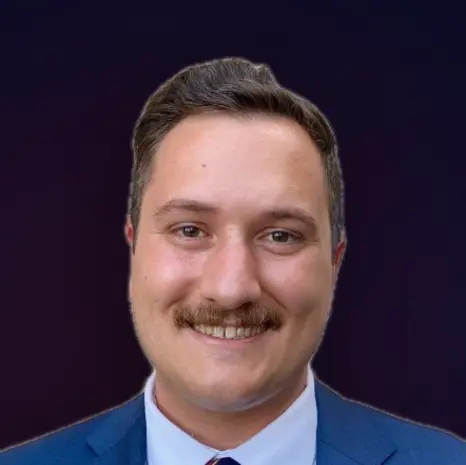
Conner Phillip Dunleavy
REPUBLICAN
Conner Phillip Dunleavy is running for New York Member of Assembly, District 13.
Personal background
Conner Phillip Dunleavy is a lifelong Long Islander and resides in Glen Cove. Conner is a Catholic and a father. He earned a degree from the State University of New York at Albany.
Professional background
Conner Phillip Dunleavy worked as an executive assistant to the Town of North Hempstead supervisor.
Political background
Conner is a first-time candidate for elected office.
Economy
Plans to control state spending, reduce middle-class taxes, lower energy costs, and oppose unfunded mandates that raise local property taxes.
Wants state government to live within its means, eliminate waste, and focus on core responsibilities.
Suggest an edit
Energy & the Environment
Supports environmental policies that protect air and water and strengthen resilience, while opposing mandates that raise utility bills or threaten grid reliability.
Supports investments in flood mitigation, stormwater infrastructure, coastal resilience, energy efficiency, and a diverse, reliable energy supply.
Believes nuclear power should be considered to reduce emissions while maintaining a strong electric grid.
Suggest an edit
Healthcare
As of September 9, 2026, Conner Phillip Dunleavy’s website did not contain information on this issue.
Suggest an edit
Voting & Elections
Opposes weakening the Independent Redistricting Commission or giving the Legislature greater power to redraw congressional districts between censuses.
Suggest an edit
Public Safety
Supports law enforcement and changes to laws that make it harder to keep repeat and dangerous offenders off the streets.
Suggest an edit
Education
Plans to secure funding for local schools.
Suggest an edit
Housing & Urban Development
Opposes high-rise apartment development in residential neighborhoods.
Suggest an edit